Sony Reon Pocket Pro Plus Review 2026: Is This $260 Wearable AC Worth It?
$260 is a significant sum of money to spend on anything. Spending that much on a wearable gadget is way beyond luxury for the average person. Imagine having a $10 per hour job, that means working for 26 hours to afford a piece of gadget. That is exactly what Sony wants you to do with their Sony Reon Pocket Pro Plus wearable AC. The question on the mind of everyone who loves a gadget would be whether it is worth it.
The Wearable AC
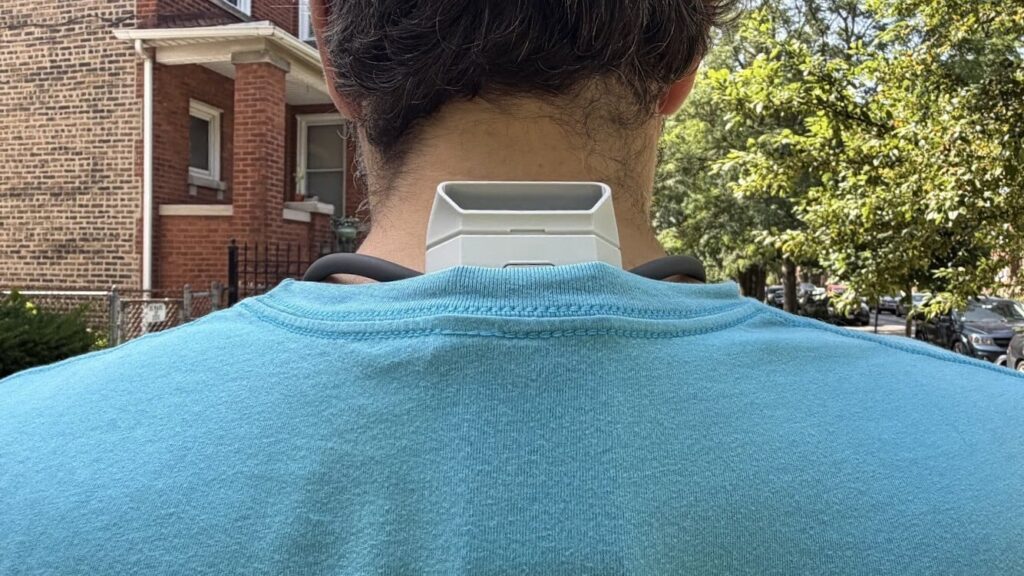
The Sony Reon Pocket Pro Plus on the back of a wearer

The Sony Reon Pocket Pro Plus is Sony’s flagship personal wearable air conditioner and heater. Designed to be worn discreetly under clothing on an adjustable neckband, it uses a stainless steel plate that sits flush against the base of your neck to actively cool or warm your body, depending on the function you want at that time.
This device is marketed toward professionals who commute in hot weather, individuals working in stifling indoor environments, and those who must wear formal business attire (like suits and collared shirts) but want to remain sweat-free and comfortable
Looking at the core specifications and features of this device, you will notice that it is built to serve its purpose and keep the user comfortable in dual extremes of weather condition.
Dual Functionality
Features both a cooling function with 5 manual levels of cooling and a warming function with 4 manual levels. This makes it ideal and useful for both summer heatwaves and winter cold. Since Sony is not making a device that is seasonal or meant to be thrashed in the off-season, this dual functionality comes in handy in which ever season or weather condition you’re in.
Performance Upgrades
The Sony Reon Pocket Pro Plus delivers 20% stronger cooling performance compared to its predecessor, reaching surface temperatures up to 2°C colder using an upgraded dual-thermo module and refined algorithm.
Smart Sensing Kit
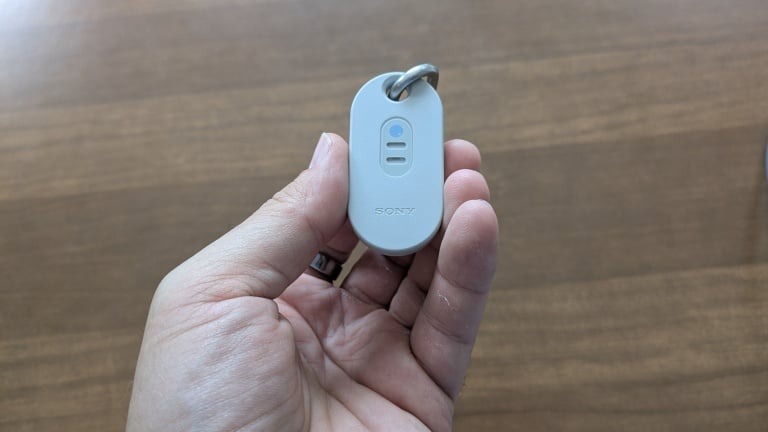

The device comes bundled with the Reon Pocket Tag 2, which is a separate clip-on ambient sensor. This sensor enables the Reon Pocket Pro Plus on your neck and the tag on your clothes to automatically analyze both your skin temperature and the outside environment to auto-adjust settings and temperatures seamlessly to give you optimal comfort without constantly requiring your manual input.
Battery Life
Battery life is one place where many gadgets fail. There is nothing much to enjoy if you have to remove a device every two hours to charge it for 30 minutes. Thankfully, Sony’s Reon Pocket Pro Plus offers up to 15 hours of continuous use in Smart Cool mode. It fully recharges via standard USB-C, and it takes approximately 120 minutes to fully charge.
Redesigned Neckband
One of the modernized features of the Reon Pocket Pro Plus is an adjustable mechanical tube neckband that offers a 40% firmer, more stable hold than the predecessor. This helps to prevent shifting or falling out while walking or commuting.
Improved Airflow
Noise is one of the flaws of wearable ACs and fans because when air flows at high velocity, it causes noise. However, the Reon Pocket Pro Plus includes an extendable, fully adjustable exhaust vent with short and long air vent covers to accommodate different garment collars, ensuring waste heat escapes safely without making noise.
Dual Control
This device can be adjusted hands-free using its automated smart modes, manually via physical onboard buttons, or customized completely through the dedicated Sony Reon Pocket App (available on iOS, Android, and watchOS).
How it Compares with Alternatives
Despite the tech that it packs, the Sony Reon Pocket Pro Plus is bulky for a wearable device, measuring roughly 58 mm × 36 mm × 134 mm (2.28 in × 1.42 in × 5.28 in) and weighs 194 g (6.84 oz). When the neckband and short air vent cover are attached, it measures about 125 mm × 60 mm × 175 mm (4.92 in × 2.36 in × 6.89 in) and weighs 259 g (9.14 oz). A more affordable option is the Dyson HushJet Mini Cool, priced at $99.99, and the THEJU Neck Cooler at a price of $109.00.
The Dyson HushJet Mini Cool is smaller, measuring just 38 mm (1.5 inches) in diameter and 180 mm (7.1 inches) in height. It weighs approximately 212 grams (7.5 ounces), making it about the width of a standard watch face and roughly the weight of an average smartphone.
On a single charge, however, the Dyson HushJet Mini Cool lags with just 6 hours of durability—the Sony Reon Pocket Pro Plus delivers over two times this. If your daily itinerary keeps you in a place where you may not have access to recharge your device for long hours, then you might lean towards the Sony Reon.
Another area of practicality to consider is water resistance capacity. If you work in a hot and humid region such as Nigeria, you may have to consider taking off your wearable Sony device. It is not optimized to handle heavy sweat and moisture. Even the official manual warns against using it in weather extremes such as snow or in the rain. If you are at risk of heavy sweating or rain, you might consider the THEKU Neck Cooler, it is one of the water-resistaant wearable cooling devices. However, despite being cheaper at $109, it is significantly larger and more of a vest than a wearable gadget.
The clear disadvantage of the Sony Reon is that it is pricier than its alternatives and has a larger bulge under the hood, creating a much more noticeable distortion in your clothing.
Going for the Dyson Hushjet, because of the smaller size, might sound attractive, but it does not totally eliminate the bulge, and you will have to compromise on battery durability. They are both delicate around heavy sweat, water, or snow.
The THEKU neck cooler on the third hand has a price and water-resistant advantage, but there is nothing sleek about this particular device, as it practically feels like you are wearing a vest underneath your clothes. It has a 10-hour battery life on one full charge. It is for an office worker who genuinely cannot use a fan at work and will not be suitable if you work long hours under the sun or are a construction engineer.
The Market Availability of the Sony Reon
The Sony Reon Pocket Pro Plus is readily available in the US market. You can get it through direct import from the company website or specialized Japanese electronic retail stores. It is also available on third-party marketplaces; the price per piece is $260 for the complete set, including the sensing kit. In the UK, you can source it via international shipping or on Amazon UK as well; it’s priced at approximately £195.
In the Nigerian market, the Sony Reon is not officially distributed by the company. This makes it a rare device. It has to be directly imported from a third-party store or directly from Sony. The price is around ₦ 356,000 for the piece without the additional shipping fee, which may vary based on the courier company used or the service within the company.
Captain’s Verdict
Buyers in the US, UK, or Canada may find this product useful in mild weather conditions since the temperate conditions may not lead to heavy sweating all the time. But the price tag is something to consider seriously, as a $260 gadget for just keeping cool may not sound so wise when there are other practical and natural ways to keep cool.
For the Nigerian buyer, this may not be an efficient purchase. $260 converts to ₦356,000 plus a shipping fee, more than the cost of cooling units. Not having a recognizable distributor in Nigeria means less technical support for a wearable device with such a price tag. Also, Nigeria’s tropical climate means almost a year-round high temperature and humidity. The Sony Reon is not designed for prolonged sun exposure, as it may not cope with the heavy sweat of humid conditions.
However, if you must get a wearable cooling device in temperate regions such as the US, UK, or Canada, the Sony Reon Pocket Pro Plus works. Despite a high cost, it balances cooling capability and battery endurance, making it a practical premium option. If your budget is limited or you frequently work in hot, humid conditions where sweating is unavoidable, the THEKU Neck Cooler is the more practical purchase despite its bulkier design.
If you decide to go for the Sony Reon Pro Plus, n get it on Amazon at a 31% discount.