Urban Climbing Gear Tested: What the Empire State Climbers Didn’t Use — and What You Should Actually Buy
On the first of July 2026, two rooftoppers spent the night hiding inside the Empire State Building. They broke into a restricted access point, and they climbed the 1,450-foot antenna tower standing over Manhattan with no gear—no ropes, no harness, basically, with zero protection. The act made the headlines of every news outlet in the country and beyond.
The climbers got to the top of the Empire State antenna tower without any climbing gear.
That’s what rooftopping and free-solo building climbing are all about. It’s dangerous climbing without any gear.
Illegal, yes, but the stunt is putting attention on urban adventure climbing—a niche that has been quietly growing for years. There are a lot of people legally climbing different types of buildings and mixed-surface outdoor routes on concrete, brick, and steel without any gear.
Tons of guides show how to climb on granite and sandstone, but only a handful are for the man who’s interested in legally climbing buildings in urban environments and is looking for safety gear that can handle glass, steel, and city grit.
Let’s shed light on the best climbing gear for urban exploration 2026, with honest recommendations for each category.
Climbing Shoes
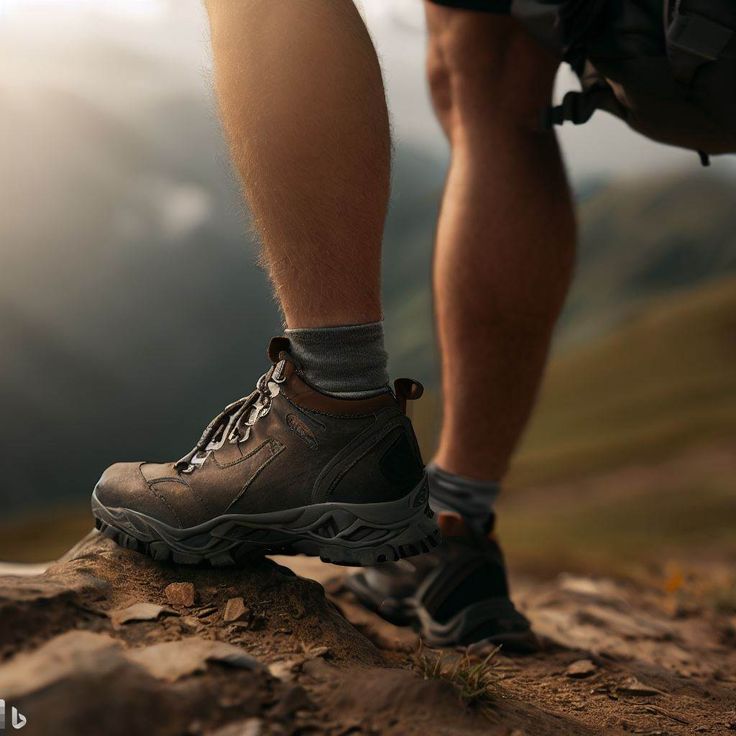
Concrete, brick, and steel wear out climbing shoes in a different way compared to rocks. City roads are rough — but they’re rough differently and more consistently compared to granite or sandstone. In addition, these roads also have more dirt, dust, and sharp edges that will make the rubber on climbing shoes wear out faster.
If your niche is climbing on different urban surfaces, the best option for you is going for a shoe that has a thick rubber base. They’re not entirely sensitive, but they’re durable. Also, it is important to get comfortable shoes, not soft slipper-style bouldering shoes, if you’ll have to walk short distances to get to your spots when climbing.
Budget: The La Sportiva Finale ($89 / £85 / C$122)
This shoe has a thicker 5mm Vibram XS Edge rubber sole that is a lot more durable than the 3.5 to 4mm performance climbing shoe soles. Also, the shoe’s lace-up design makes it easier and more comfortable to walk around in during urban climbing.
Mid-range: The La Sportiva Katana Lace ($180 / £165 / C$245)
This shoe has a dense sole that gives you better grip when climbing on steel beams and narrow ledges, without the curved shape many competition climbing shoes have that isn’t good for urban climbing.
Premium: The La Sportiva TC Pro ( $225 / £205 / C$305)
This shoe was originally designed for climbing long rocks. The high-ankle cuffs and extra rubber protection make it a good urban climbing shoe choice especially if you’re going to frequently come in contact with rough and hard edges during climbing.
Recommendation: Avoid any shoes that are strictly marketed as gym climbing shoes. What you should be looking for are shoes with hard rubber soles and good edging grip, because they’re the best fit for concrete, brick, and steel surfaces.
Climbing in urban areas or on buildings means you aren’t going to be in a harness for a long time unlike sport climbers. Urban climbers move around a lot, going from climbing to walking, and vice versa. They usually carry their harness in a backpack, which means in order not to carry excess weight, a lightweight harness, instead of one with extra padding, would be the best choice.
Harnesses
Budget: The Black Diamond Momentum ( $65 / £60 / C$90)
This harness is quite bulkier than most, but it is safe, adjustable, and a recommended option for new climbers.
Mid-range: The Black Diamond Solution ( $75–100 / £85 / C$135)
This harness is an all-rounder. It is light, has little bulk, and it is versatile enough for both indoor climbing and outdoor climbing.
Premium: The Petzl Sitta ($200 / £180 / C$270)
This harness is specifically made for alpine and technical climbing. It is very light and compact, you can easily carry it in a backpack without drawing attention.
Recommendation: If you’re an indoor or urban climber, a well-fitted sit harness will serve you best. The only time you’ll need a full-body or chest harness is if you’re carrying heavy loads while climbing ladders or buildings.
Carabiners
An urban climber doesn’t need a lot of carabiners like a sports climber. Just a couple of locking carabiners will set up anchors, rappelling, and attaching gear. You can also include a few non-locking carabiners for racking.
Budget: The Petzl Attache ( $15 / £14 / C$21)
This carabiner is a simple screw-lock one that is an excellent choice for belaying, rappelling, and building anchors.
Mid-range: The Black Diamond RockLock Screwgate ( $18 / £16 / C$24)
This carabiner has a wider-gate opening, meaning it is easier to set up rappel gear, even when you’re in a tight or awkward position.
Premium: The Petzl William Ball-Lock ( $25 / £22 / C$34)
This carabiner has a push-and-twist locking system that’s faster to use with one hand compared to a screw-lock carabiner. It’s a choice worth considering if you’re going to be setting up and taking down rappels frequently.
Recommendation: The best option when buying carabiners is to buy more than one, so you’ll have a spare at all times and not depend on just one carabiner in any situation.
Rope
This is one of the most essential pieces of gear in climbing and you shouldn’t ever think about saving money by buying a lesser quality one.
When it comes to urban climbing, buildings, or outdoor routes, most times, you’re climbing one route going up and coming down. So you don’t necessarily need an extra-long rope, what you need is the right rope.
A static rope is for rappelling and fixed-line work, it doesn’t stretch enough to absorb the impact from falling. You should never use a static rope for climbing under any circumstances.
On the other hand, a dynamic rope is suitable for climbing because it stretches enough to absorb the impact from falling. This is the recommended rope for climbing to protect yourself if you fall.
Budget: The Sterling Evolution Velocity ($220 / £200 / C$300)
Length: 9.5mm × 60m
This is an all-round dynamic rope. It’s easy, durable, and thick enough for regular use.
Mid-range: The BlueWater Assaultline ($180 / £165 / C$245)
Length: 8mm × 60m
This is a good static rope for rappelling
Premium: The Mammut 9.5 Crag Classic ($260 / £235 / C$350)
This dynamic rope is designed to be durable and to handle sunlight and rough surfaces better than cheap, durable ropes.
Recommendation: A 60-meter long rope is suitable for most legal urban climbing. Anything beyond that is just unnecessary weight without any benefit if you’re not going to be doing long multi-pitch climbs.
Headlamps
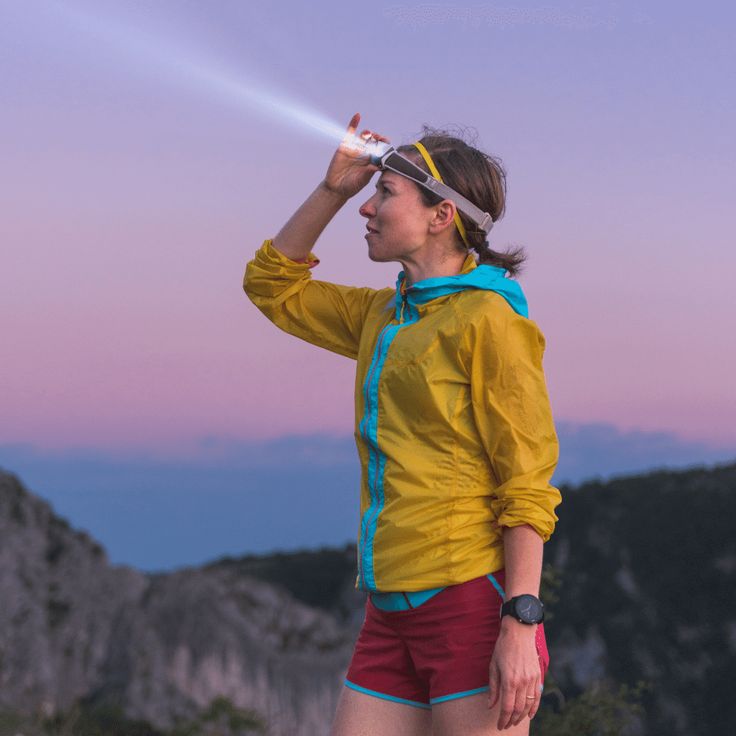
People usually go urban climbing in the early mornings, late evenings, or in dim places. This is because they want to avoid crowds, and legally assigned places for climbing aren’t always well lit.
As an urban climber, you should go for a hands-free headlamp with a lock feature so that it doesn’t mistakenly turn on in your backpack and drain its battery.
Budget: The Nitecore NU25 ($45 / £40 / C$61)
This headlamp only weighs about 1.6 ounces. It has a USB-C port for charging and a lock feature. It’s a good choice for occasional climbers.
Mid-range: The Black Diamond Spot 400-R ( $60 / £55 / C$82)
This headlamp is capable of producing 400 lumens of light and on its lowest level, it can stay on for up to 225 hours, it only has a simple two-button interface that you can control easily even with gloves on.
Premium: The Petzl Swift RL ( $130 / £115 / C$175)
This headlamp can automatically adjust its brightness depending on your distance to an object. This is very helpful, especially when you’re alternating between nearby handholds and checking what’s farther ahead.
Recommendations: A piece of advice: don’t go for the cheapest headlamp on the market. If your headlamp stops working in the middle of a climb, you’ll be putting yourself at great risk.
Backpacks
Any backpack you’re using should have enough space to fit in your harness, climbing shoes, rope, and other gear at once, while not giving anything away. It’s preferable to get climbing backpacks instead of getting hiking backpacks. You don’t need a large expedition pack for urban climbing.
Budget: The Black Diamond Creek 20 ( $70 / £65 / C$95)
This is a simple, durable backpack with a strong bottom that doesn’t rip when placed on rough surfaces.
Mid-range: The Patagonia Cragsmith 32L ( $179 / £160 / C$240)
This backpack has a slim shape, a rope-holder strap, and enough space to hold all the gear you’ll need during climbing.
Premium: The Osprey Mutant 22 ( $170 / £160 / C$230)
Recommendation: This backpack is specifically designed for alpine climbing but it also doubles as an urban climbing backpack. It is durable, streamlined, and has reinforced haul points that can handle years of use.
Pricing and Availability Across Markets
Most of the gear listed above is available on stores like REI, Black Diamond, Patagonia, and Petzl’s direct sites across the United States, United Kingdom, and Canada. Also on country-specific stores like Backcountry.com in the United States and MEC in Canada.
One thing you should remember is that the discounts you’d get in the U.S. market and REI member deals aren’t available in the U.K. or Canadian markets. If you’re buying any of this gear from these countries, you’re more likely going to pay closer to the Manufacturer’s Suggested Retail Price (MSRP) after current currency conversion than find gear offering U.S. discount prices.
For static ropes, the BlueWater Assaultline is quite difficult to find in U.K. markets. Alternatively, Edelrid or Beal static ropes are good replacement options because they’re readily available there.
The Captain’s Verdict
If you’re just getting started with urban climbing and you want to get gear, start by buying your rope first, your harness next, and then your shoes can follow. These are the most important pieces of gear when it comes to safety.
It is better to break the bank for a top-notch rope from a trusted brand and get a mid-range harness instead of spending your money on a designer rope and buying a cheap harness. When it comes to ropes and harnesses, you’re not just paying for comfort; you’re paying for your safety as well.
If you’re working on a budget, you don’t need overly expensive carabiners and headlamps. A $15 Petzl Attache will do nearly everything a $25 premium locking carabiner can do effortlessly. And for $45, you can get a Nitcore headlamp that will give you enough light the same way a $130 Petzl headlamp would during your climbing sessions.
Getting a complete, budget-friendly climbing gear kit; shoes, a harness, carabiners, a rope, a headlamp, and a backpack would probably cost a little over $600 in the United States, over £500 in the United Kingdom, and over C$800 in Canada.
A complete mid-range climbing gear kit would cost over $900, £800, and C$1,200, respectively in the three markets.
A complete professional-level climbing gear kit is much more expensive, but for urban and indoor climbing, either a budget-friendly or mid-range climbing gear kit is good enough.
The Empire State Building rooftoppers did it illegally without using any safety gear. This guide stands for the opposite, helping you climb up safely, legally, and return home in one piece.